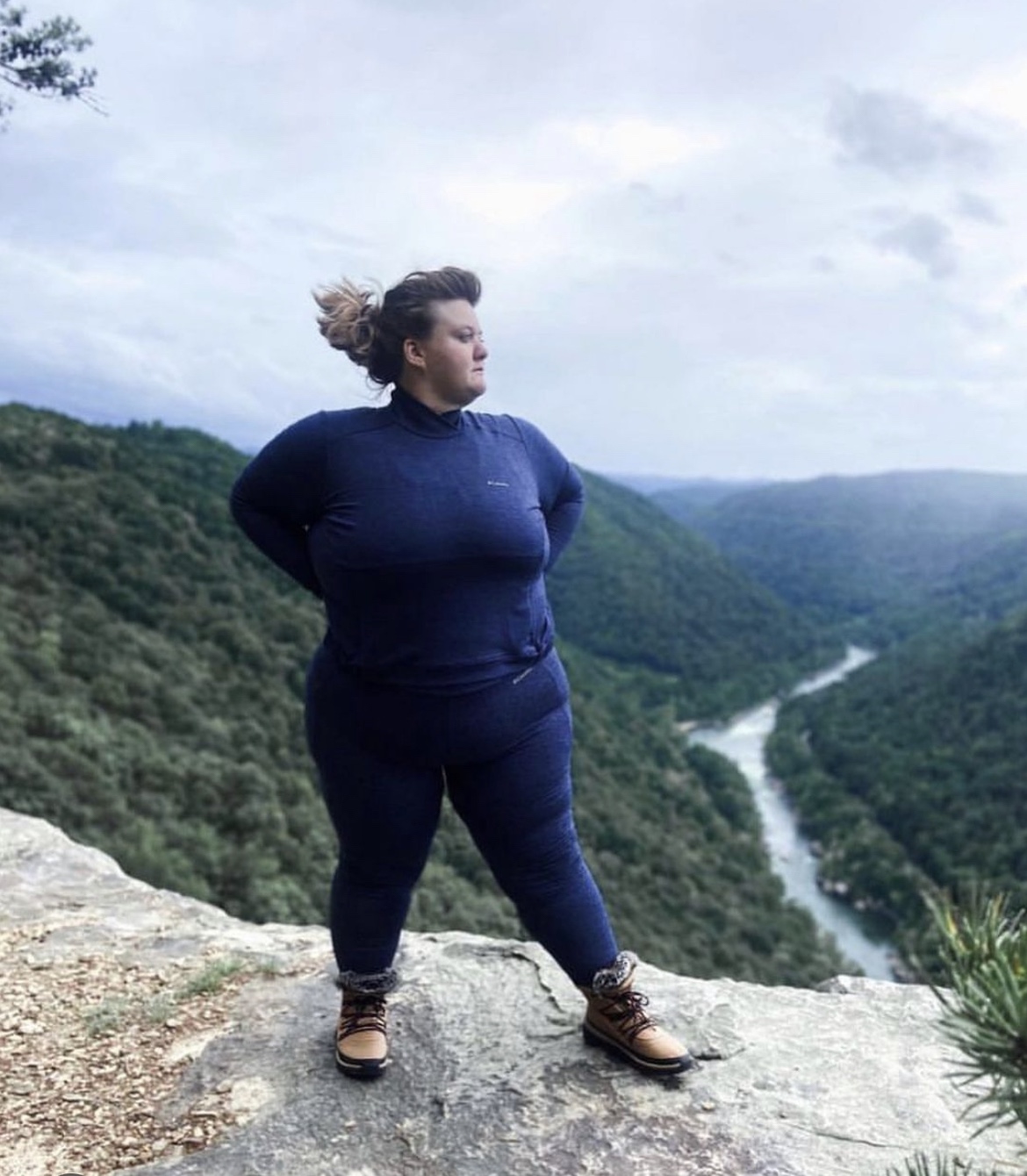
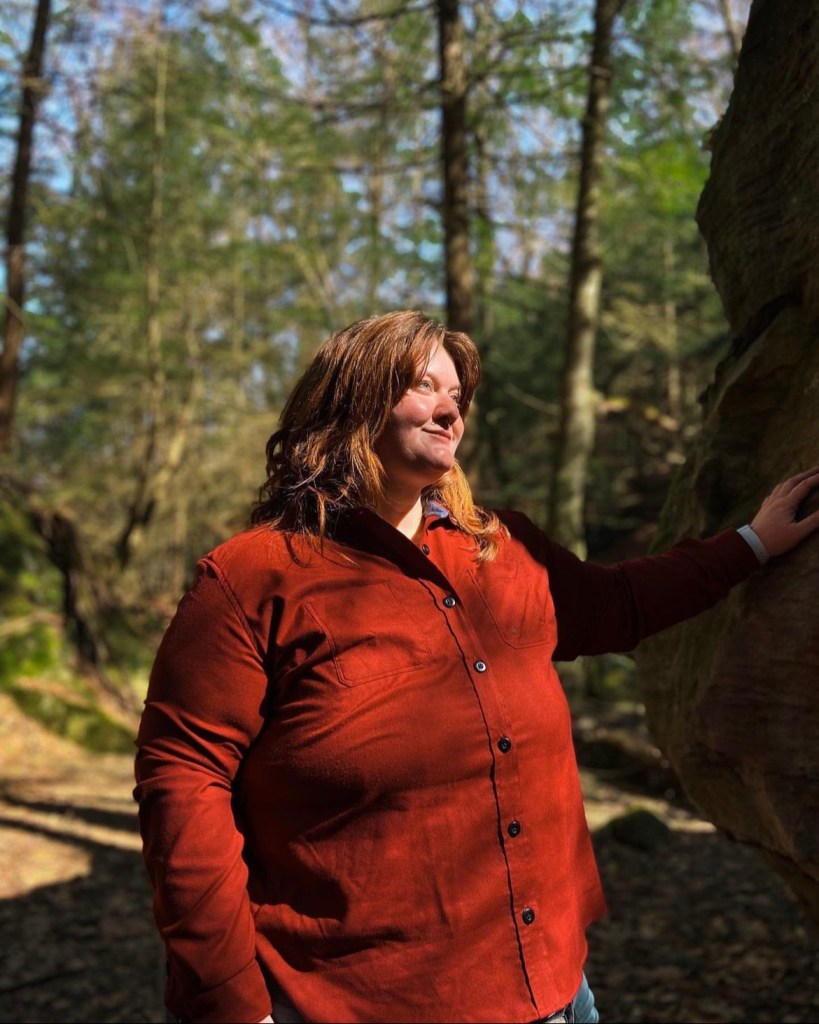
NORTHER: To start, do you want to tell us a little bit about who you are and how you like to represent yourself?
ASH: My name is Ash and I’m from Northeast Georgia. I grew up around the southern terminus of the Appalachian Trail. My dad works for Georgia DNR, so I was exposed to the outdoors at a pretty young age, just hanging out in his management areas with him. I got into hiking at some point, I don’t really know… I just kinda got into it cause it was the only thing that we really did in our small town.
There was no movie theater, there wasn’t even a Walmart until I graduated high school, so we didn’t really have much to do. We just kinda hung out in creeks and on mountains, but we didn’t really call it hiking. We were just hanging out in the woods. I got a little more serious about hiking when I got into college, that’s kinda when I got into white water, I guess.
My friend Carter, she introduced me to whitewater and took me rafting for the first time. I was like, “Wow, this is about to ruin my life because I love it so much”.
Around college was also the first time I really experienced people being rude about me being a little bigger, like being shown or told that I didn’t really belong, that hiking wasn’t for big people. And I was like, “Oh, what? I’ve actually been doing this for my whole life”.
I like hiking. I like being outdoors. I’m just that person, I grew up outdoors, that’s where my happy place is.
What people see me as and know me as is a plus size explorer, a plus size person who does all this stuff.
I think that they really are almost two separate identities. One that is truly me and one that I kind of picked up just because I’m plus size and people need to see that.
NORTHER: I like the way that you separate those two things out. That’s actually really interesting to think about, especially when we’re on the social media, it’s almost like we’re two dimensional to the audience. They need to be able to put you in a box in order to decide, like, do I relate to this? It has nothing to do with who we are as people at all.
I worry about the young people that are on the internet and monetizing their personalities before they even really know who they are.
ASH: I felt like my personal identity was monetized for me, like, people started following me because I was hiking the AT and people were like, “whoa, you’re plus size and hiking the AT” and I was like, “Well, shit, this has been a dream of mine since I was a little girl”!
It’s really important for me to separate those two things sometimes. Like, yes, I’m still plus sized. Yes. I’m still outdoorsy. Yes, I have still experienced discrimination. But first of all, I’m an outdoor professional and then what everybody perceives me as second.
NORTHER: Tell me a little more about your lifelong interest in hiking the Appalachian Trail.
I was starstruck by these thru hikers. I’d meet them, they’d be all stinky and gross, and, um looking back, it’s like, “dude, you’re only three or four days into the trail. Why are you so gross?”
ASH: I think some of my earliest memories of the AT are with my dad. He picked up a hiker one time when I was with him and he was taking him into town and gave him some candy bars. There were all these stories my dad would tell me, you know, cause they walked right through my dad’s management areas.
He was always talking about some of the hikers. “Oh, hey, we gotta go get a hiker, they’re stuck up on Blood Mountain. They’re all messed up”.
Because it’s the beginning of a 2100 mile trail, my dad was always dealing with hikers in the first 70 miles of this trail— which, you know, a lot of people don’t even make it out of Georgia. To me, it was this thing that never ended. It was just a long, incredible, insane walk that never ended. I don’t even think I even understood where it went until I was probably in high school.
I was starstruck by these thru hikers. I’d meet them, they’d be all stinky and gross, and, um looking back, it’s like, “dude, you’re only three or four days into the trail. Why are you so gross?”
NORTHER: Oh my God. That’s so funny.
ASH: Or it was the opposite end of the spectrum in the colder months. It would be a man or a woman that is finishing. Southbounders, they’re usually alone and they were like, I just remember seeing this one guy and my dad, he hitched him into Helen, Georgia. He was five days from finishing the AT and he was taking a break in Helen, to resupply. I remember I was like, “Whoa, this dude has been walking forever”. He was so cool. So, of course I was gonna grow up and do it.
All my friends wanted to, my cousins wanted to and no one I knew ever set off on that track. I was like, “well, after I graduate college, I’m gonna do it.” And… I made it as far as West Virginia, crapped my pants three times and came home.
NORTHER: Damn. That’s so for real. All those waterborne illnesses… Those are no joke.
ASH: Oh my God. No. At one point I was, like, mentally unwell because I was so physically unwell. I was just losing my mind in the Shenandoah. Finally, I was like, “Alright, this is it, this is the end, I’ve got to go”. It was so hard. My mom came and got me. God bless her. I do plan to finish it one day. I just don’t know when.
NORTHER: Somebody told me recently that the AT is harder than the PCT, which surprised me.
ASH: I heard that a lot while I was on the AT, and I had always assumed that the PCT was more difficult because like, y’all got those 14 hours out there. That’s insane.
NORTHER: Do you want to talk about at what point you decided to become a guide, and what that whole experience has been like?
ASH: So, like I said, my friend Carter took me rafting for the first time, it was super awesome. I did not know I was getting myself into.
I really wanted to be a guide, so I came back the next summer and I was like, “Hey, um, are you guys hiring? I work really hard, I try really hard, I want this”.
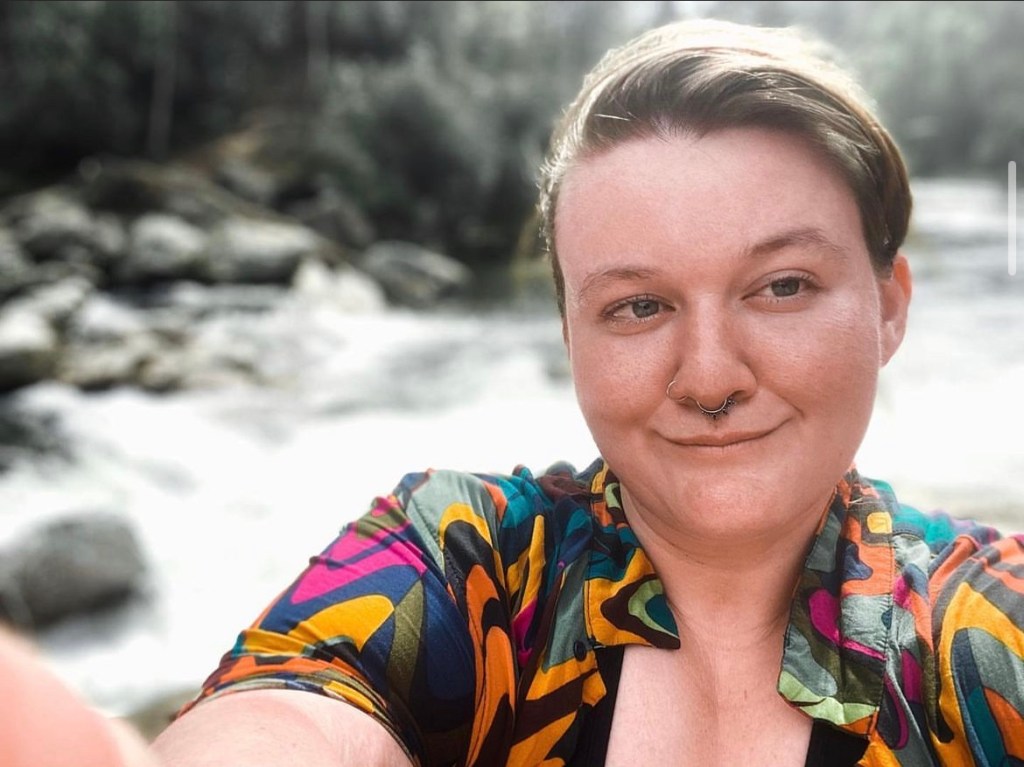
Actually, this is one of my first experiences of discrimination, of people not wanting my body in the outdoors.
The manager at the time, he was like, “Yeah, no, we’re not hiring, you should try the zip line.”
So I was like, “Okay, cool, I’ll try the zip line.” Then, right behind me, this dude came in and he asked if they were hiring, and he was like, “Yeah, actually we’re hiring for whitewater guides now.” I was like, “Dude, what the fuck?” It was so in my face.
So, I got my foot in the door with this company. And then the next year they were like, “Okay, yeah, we’ll try you on the river”, and when I tell you that they put me through absolute hell in guide school and and it was just like so fucking hard like. Looking back on it, I’m like… What the hell? I mean, it gave me a backbone for sure, but I was hazed, I was yelled at, it was like boot camp. There was a lot of unnecessary extra focus on me. I tried, I tried harder than everybody else. I was working twice as hard for half the credit.
In my second year guiding, again, people just did not want me on the river, because I’m a girl and I am plus size.
So, in my second year guiding, they took me off the river. My managers at the time, they looked at me and they were like, “Um, some people are just better suited for office work.” And then the other one was like, “I got a really good diet and exercise plan” and I was like, “What the fuck?”
NORTHER: Oh my God.
ASH: I know. Still was like, “No, fuck this. I’m gonna raft guide here”. So, I worked really hard over the next year, and I got back on the river. Then, the next year I was on the river. And then I said, “Wait a minute”, I don’t know why I stayed there for two more years after that shit.
I went out to Utah and I guided multi day trips out there, stayed there for a few years on the Yampa. And then I came out to West Virginia, I started guiding on the New, a few years ago. And, you know, this country has got some world class rivers and one of them is the upper Gauley and I became a Gauley guide and it was one of those moments where I was like, “Yeah, fuck you, telling me I got a body that should be in an office.”
NORTHER: Yeah, that’s awesome. So you’ve been guiding for quite a few years then?
ASH: Almost a decade. After the summer, It’ll be a decade.
NORTHER: A thing that I have observed with people who just cannot keep their mouth shut when it comes to women or fat people or disabled people or chronically ill people doing things in the outdoors is that, it’s not just that they’re surprised that we have the physical capacity to do hard things.
I think for some, it comes from this place of, like, “I’ve been told my whole life that I’m better than all of these people”.
And now they’re watching a woman, or a fat person, or disabled, or chronically ill person, best them in the outdoors… they aren’t just surprised, they’re ANGRY. They are angry and I don’t think they know why.
They can’t let YOU win because it, in their mind, it says something about THEM.
ASH: Oh, I know. I actually have this guy right now that like he works at the outpost I work at in West Virginia and he’s really fucking annoying.
One thing that helped me get out of comparing myself to others is the fact that there is no one like me in white water. There’s not one guide at any outpost I’ve ever worked at that looks like me and guides like me, and gets in the boat like me and flips the boat like me. I had to make my own way.
He’s thirty eight. He’s too old to be acting like this, but he just has to act better than everybody and, you know, nobody should ever be acting like that. I’m a little more lenient towards the 18 year old that I train that act like they’re better than everybody because… they’re just young. They don’t know yet. They haven’t been humbled. I know that they’ll probably figure it out.
But this guy, he’s really amazing at whitewater. He’s really, really good at it. He would hate that I’m getting interviewed by you. He doesn’t like that I talked to bigger companies. He doesn’t like that I get brand deals. He doesn’t like that I work with Astral or do interviews or podcasts or whatever, He’s jealous and he’s mean about it.
It’s so funny cause, like, I don’t even have to be the best. I don’t have to be really good. I just have to be enjoying myself and that’s what I’m trying to preach and teach and give people… that passion. Just love this. Love paddling, hiking, whatever. I don’t gotta be the best. No one’s gonna be the best. You just gotta be loving where you’re at.
So many of them are like that. You’re right. It’s just… they can’t let themselves hold space for others in this industry. That sucks.
NORTHER: Earlier, you touched on this idea that it’s better to just let go of the competition and enjoy the experience which I love.
I love this idea and it really shouldn’t be radical, but the more you get into adventure sports or even just hiking- achieving and comparing yourself to other people is all there is.
ASH: One thing that helped me get out of comparing myself to others is the fact that there is no one like me in white water. There’s not one guide at any outpost I’ve ever worked at that looks like me and guides like me, and gets in the boat like me and flips the boat like me. I had to make my own way. I had to adapt. And so one thing that’s lucky for me is that, there’s, there’s a sense of individuality for me.
I’m bigger than you. Things are different for me. I can move a boat better than anybody I know, because of my size, I’m a pivot point. So, when they see downfalls, I see uprises. because they’re just looking at the small picture. They don’t see the way that my hips move in the middle of the Class V rapids with an entire boat. How I become the pivot point because I’m bigger than everybody in the boat.
You know, like I think normally there’s, there’s other kinds of people like me. But, my adaptability to guide, navigating whitewater, is completely individual because there’s not very many people in the whitewater world that are my size. So, when it comes to breaking out of that, like, comparing yourself, it is difficult.
But I think comparing yourself to another person is never gonna work because everybody’s body is so different. Everyone is so individual and different and has different needs as far as the way we move, gear and everything in between.

I don’t like going with the flow of the people because the flow of the people usually means that I’m putting myself in the boxes that were never even made for me.
I want to encourage people to go their own way. And you know, there’s a saying in thru hiking, “hike your own hike”. Fuck what everybody else is doing.
NORTHER: That’s awesome. I love that.
I want to ask you about gear and clothing- How much sizing inclusivity in the outdoor industry has changed over the past five years?
ASH: So, four or five years ago, maybe even three years ago… Brands were, um, this is a weird way to say it but… both open and not open to having that conversation.
Like there was pushback, but they would talk to you. I could get a hold of brands and talk to them about this kind of shit. And they might come back with, “Oh, well, we don’t have that clientele” and I was like, “Well, you don’t know, you can’t have the clientele until you sell the clothes”.
Now, I don’t know what’s happening. Brands will not talk to you about size inclusivity as of very recently and it’s kind of weird.
A lot of big brands are hiring PR firms so that they don’t have to directly talk to us, which I think is a bummer because you’re not having a real conversation.
It’s very difficult to talk to brands about- “It’s really awesome you went up to 2X or 3X but, um, you know, to be truly inclusive, you should go up even higher”.
That conversation is really difficult to have with a lot of these brands. They don’t want to go up, they don’t care to go up. They don’t think that they should go up, which is a bummer because it’s like, well, even just making it available online, which is still like not the greatest, should be on your radar. They don’t want to have this conversation. They think 2-3X, that’s it. We’re done.
The only company, the only company in the whitewater industry that works on inclusivity, is Astral and then a kayak brand that I’ve been talking to called Versus, and… The only reason Versus is talking to me about possibly making a kayak better suited for plus size kayakers is because one of the guys that runs it is a good friend of mine. I have reached out to so many companies that could be groundbreaking, especially in the whitewater world, and they won’t have that conversation with me
While the hiking industry has grown, like, we have so much more than we ever had before. I know for sure the climbing industry has a lot of pushback. I’m positive canyoneering industry has pushed back. I’m positive anything in the outdoor industry that is outside of hiking and backpacking— they don’t care one bit. They don’t give a shit. They don’t want to be part of the conversation.
I don’t like going with the flow of the people because the flow of the people usually means that I’m putting myself in the boxes that were never even made for me.
When I first got to the New River Gorge, me and my big fat body was the talk of the gorge. I got no respect even though I’ve been working on Class V rivers longer than probably 75% of the guys there. It didn’t matter, they all saw me as this rookie fat girl. And then there was something that happened that changed the minds of an entire outpost.
It was a different company. There was a flip in a Class V and no one was moving. There was my company and two other companies sitting in an eddy and no one was moving because it was a private boat and we were about to watch these people die.
I was like, “Hell, no, not today!” because I don’t want to see anybody die.
I settled up my boat and I shot across the current and I got these people right before this major feature in the rapid. It was like a last chance eddy. I was scared that me and my boat were about to go into this feature and it would kill us. But we got these people and thank God we did. It took risking my life, the life of my guests, to try to save these people that were certainly about to die if no one else moved.
It took that to get to gain the respect of half of the company.
NORTHER: Damn, that’s fucked up. Good for you for doing something. But like… you shouldn’t have to risk your life or anyone else’s to go do something nobody else is willing to do before people are willing to treat you with respect.
How do you protect your energy when you’re surrounded by people that are doubting you constantly. What is the secret to protecting your mental health?
ASH: I think I go through phases of protecting myself in that capacity. I have to remove myself from those people or that situation. I’ll surround myself with people that do hold me in high regard, love me and support me. My friends, my peers, my partner- they support me.
People are gonna have opinions of me no matter what. I just know that I am doing good and I have to remind myself of that. My friends are really good at reminding me, too.
NORTHER: Thank you so much for talking with us today, Ash.
ASH: Thank you for having me.
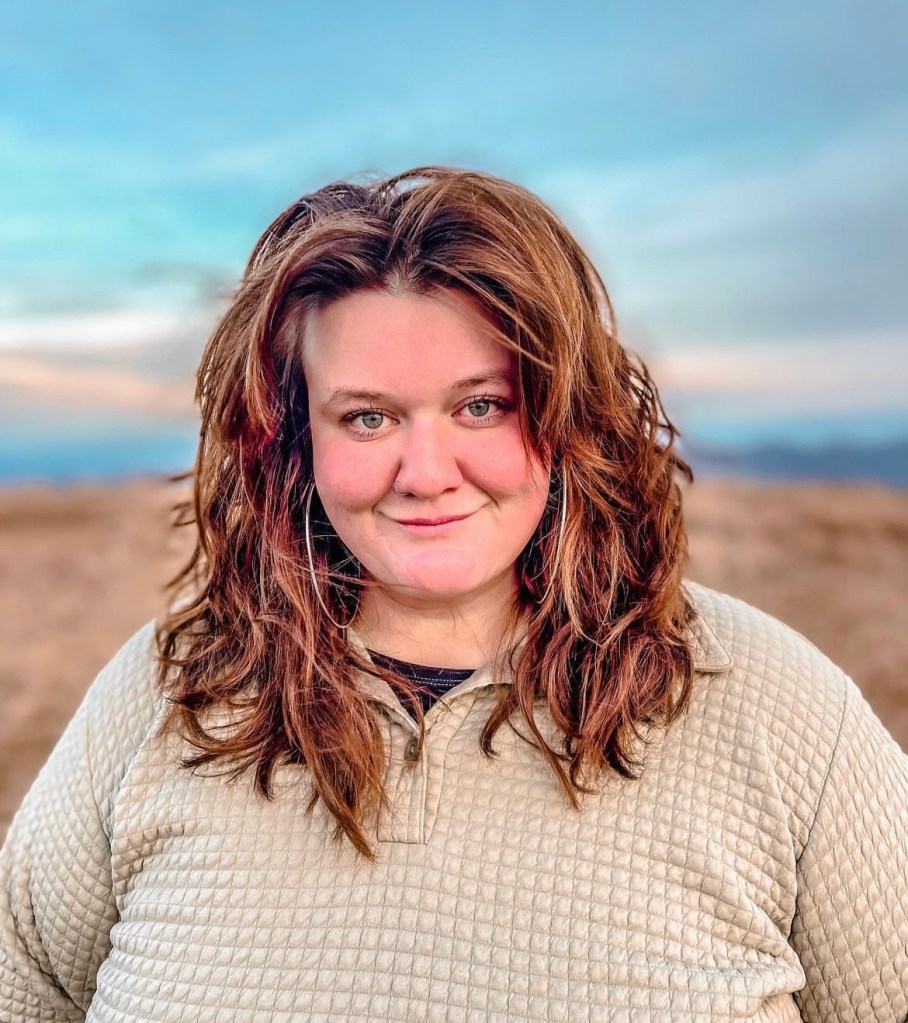
 Wild Solitude